
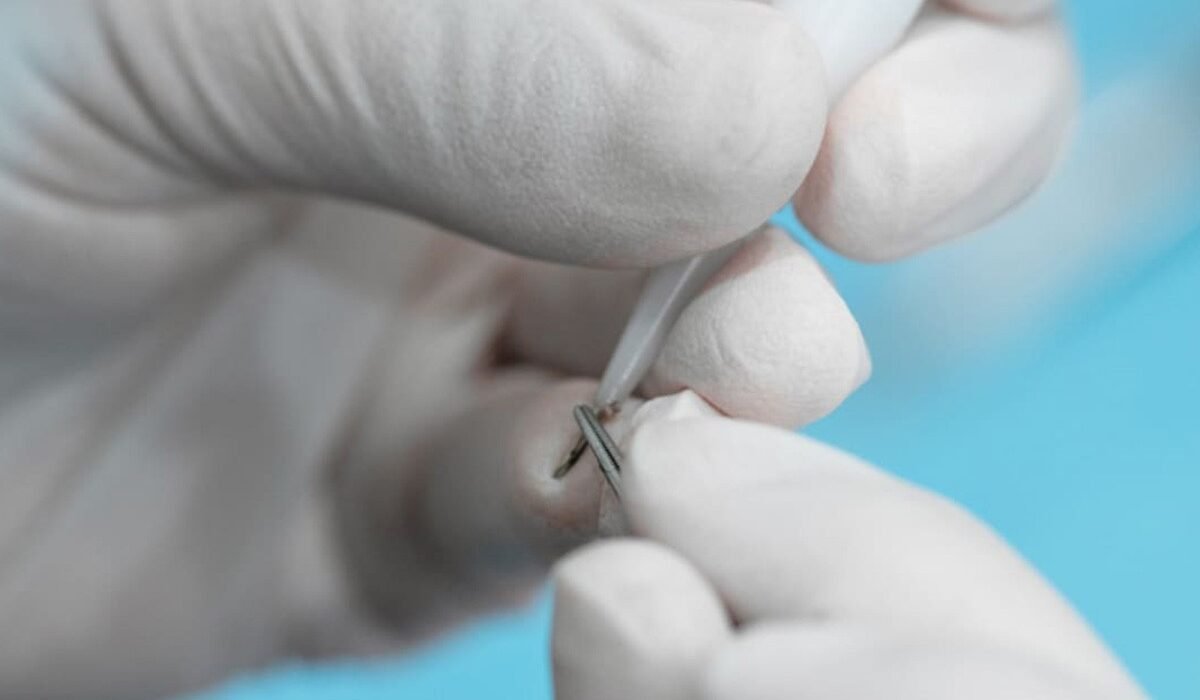
What Is an Implanter Pen in DHI Hair Transplant?
If you’ve been researching hair restoration options, you’ve probably come across the term DHI (Direct Hair Implantation) and its signature tool, the implanter pen. This small but highly precise instrument is one of the main reasons DHI has become so popular among patients looking for natural-looking, dense results with minimal downtime.
In this guide, we’ll explain exactly what an implanter pen is, how it works, and why it plays such an important role in achieving successful DHI hair transplant outcomes.
What Is DHI Hair Transplant?
Direct Hair Implantation (DHI) is an advanced version of the FUE (Follicular Unit Extraction) technique. In traditional FUE, the surgeon first opens tiny channels (incisions) in the recipient area and then places the extracted grafts into these channels one by one.
DHI changes this process by combining both steps into one. Instead of opening channels first, the surgeon extracts hair follicles and implants them directly into the scalp using a specialized tool — the implanter pen.
What Exactly Is an Implanter Pen?
An implanter pen, often called a Choi pen (named after its South Korean inventor, Dr. Choi), is a pen-shaped medical device with a hollow needle at its tip. Each individual hair graft is loaded into this needle, and the surgeon then implants the graft directly into the scalp by gently pressing the pen and releasing the follicle into place at the desired depth, angle, and direction.
The pen typically comes in different needle sizes (ranging from around 0.6mm to 1.2mm) to match the diameter of different hair grafts, whether they contain a single hair or multiple hairs (follicular units).
How Does the Implanter Pen Work Step by Step?
- Extraction – Hair follicles are extracted one by one from the donor area (usually the back or sides of the scalp) using a fine micro-motor punch.
- Loading – Each extracted graft is carefully loaded into the hollow needle of the implanter pen by a trained technician.
- Implantation – The surgeon places the tip of the pen directly onto the recipient area and presses the plunger, which simultaneously creates a micro-channel and deposits the graft at the correct angle and depth.
- Repetition – This process is repeated for thousands of grafts, following the natural direction of hair growth to ensure a realistic result
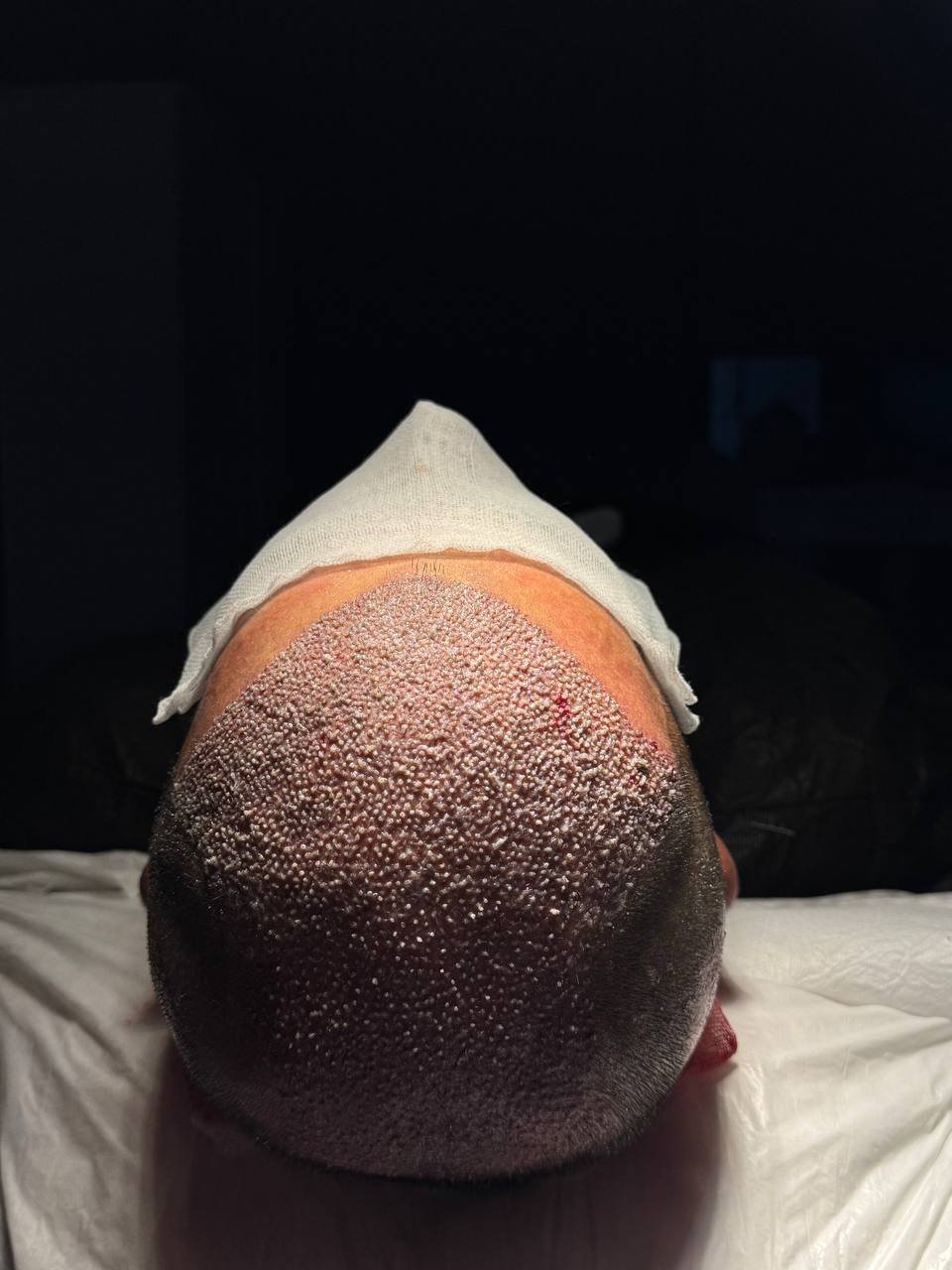
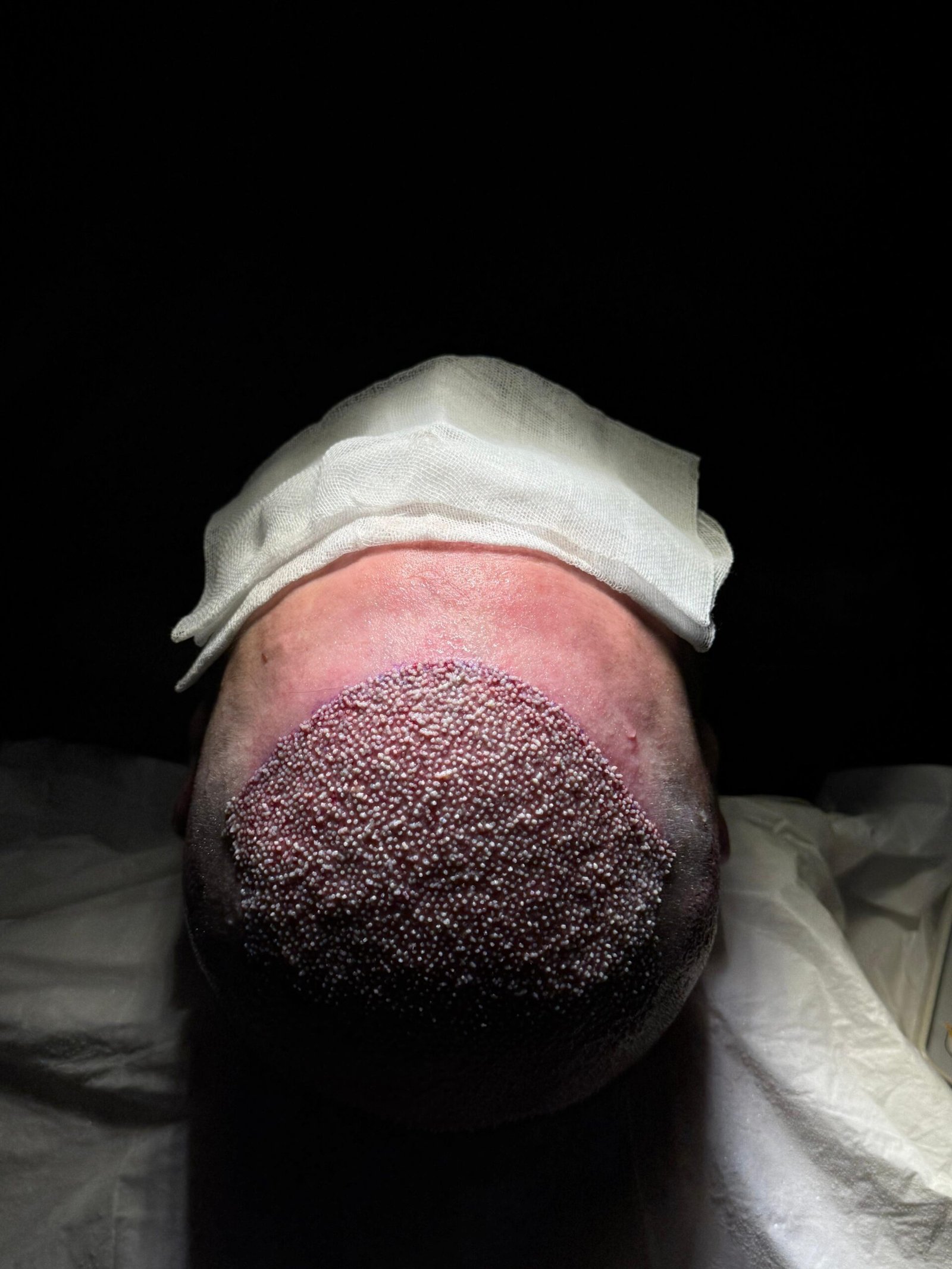
- Greater precision – Surgeons have full control over the angle, depth, and direction of each graft, which is essential for a natural-looking hairline and density pattern.
- No pre-made incisions – Since channels aren't opened in advance, there's more flexibility in graft placement and design.
- Reduced graft handling time – Faster implantation can help maintain graft viability and reduce the risk of damage.
- Higher density potential – The precise placement allows surgeons to place grafts closer together in certain areas without compromising blood supply.
- Minimal bleeding and faster healing – Smaller channel sizes generally mean less trauma to the scalp.
DHI Implanter Pen vs. Traditional FUE
| Feature | DHI (Implanter Pen) | Traditional FUE |
|---|---|---|
| Channel opening | Done simultaneously with implantation | Done before implantation |
| Graft handling time | Shorter | Longer |
| Precision of angle/direction | Very high | High, but dependent on pre-made incisions |
| Density control | Excellent | Good |
| Procedure time | Often longer (more time per graft) | Can be faster for large sessions |
Both techniques can produce excellent results, and the right choice often depends on the patient’s hair loss pattern, donor hair characteristics, and the surgical team’s expertise.
Is the Implanter Pen Technique Suitable for Everyone?
The implanter pen method is particularly well-suited for:
- Patients seeking maximum density in a specific area, such as the hairline or temples
- Those with a limited donor area who need precise graft placement
- Patients who want a minimally invasive procedure with a quicker recovery
A consultation with an experienced hair transplant specialist is the best way to determine whether DHI with an implanter pen is the right choice for your specific case.
What to Expect During Recovery
Recovery after a DHI procedure with an implanter pen is generally straightforward:
- Mild redness and small scabs in the recipient area for the first few days
- Minimal swelling compared to other techniques, due to smaller channel sizes
- Most patients can return to light daily activities within a few days
- Transplanted hairs typically shed within 2–4 weeks (a normal part of the process) before new growth begins around 3–4 months later
Frequently Asked Questions
Is the implanter pen technique painful? +
The procedure is performed under local anesthesia, so patients typically feel little to no pain during the implantation process itself.
How long does a DHI procedure with an implanter pen take? +
Depending on the number of grafts needed, a session can take anywhere from 6 to 8 hours, sometimes spread across one or two days.
Does DHI with an implanter pen leave scars? +
Since the channels created are extremely small, scarring in the recipient area is minimal to none, and donor-area marks are typically tiny and easily concealed.
Is DHI better than FUE? +
Neither technique is universally "better" — both can deliver excellent, natural results. The implanter pen gives surgeons more precise control over graft placement, which can be especially valuable for hairline design and density.
Final Thoughts
The implanter pen is a small device with a big impact on modern hair transplant surgery. By allowing surgeons to extract and implant hair follicles with exceptional precision, it has made DHI one of the most sought-after techniques for patients who want natural, dense, and long-lasting results.
If you're considering a hair transplant and want to learn whether the DHI implanter pen technique is right for you, the team at Paradise Clinic is here to guide you through every step — from your first consultation to your final results.